







Guides
Your First Stereo Build Starts Here: BasX TA2+ Companion Guide (Preamp, Preamplifier, Integrated Amplifier)

Your First Stereo System Should Feel Intentional
If you watched our BasX TA2+ overview video, this is the next step. The video shows what the TA2+ is and why it exists. This guide is here for the moment right after, when you’re standing in your room thinking, “Okay, where does everything plug in, and how do I make this feel simple?”
Shopping for a stereo integrated amplifier used to be simple. You picked something with enough power, a few inputs, and called it a day. Now your “first system” often includes a TV, a laptop, a turntable, maybe a subwoofer, and the expectation that everything should work together without drama.
A modern stereo integrated amplifier is not just about watts anymore. It’s about whether the system feels intentional. Whether it feels clean. Whether you sit down, press play, and stop thinking about the gear.
So what should you actually be looking for?
Preamp, Preamplifier, Integrated Amplifier: The 30-Second Explanation
At its core, an integrated amplifier combines two components:
• Preamp (preamplifier): selects your source and controls volume.
• Power amplifier: drives your speakers.
Put them together correctly and you get fewer cables, fewer boxes, fewer points of failure. That’s not just convenience. That’s sanity. The BasX TA2+ is built around that idea, a true analog preamp stage paired with high-current Class A/B power, with modern connectivity folded in so your first stereo build does not turn into a pile of adapters.
The “One Hub” Test: Does It Connect to Real Life?
For a first system, you want an integrated amplifier that can act like a control center. The TA2+ is designed to be that hub, with HDMI ARC for TV audio, USB-C for modern computers, Bluetooth for casual listening, plus analog and digital inputs for everything else.
Here’s the practical question to ask yourself:
Can I connect my TV, my computer, and my “fun source” (usually vinyl) without buying extra boxes? With TA2+, the answer is yes.
Quick Start: Your First Stereo Build in 10 Minutes
If you want the simplest path to “sound in the room”:
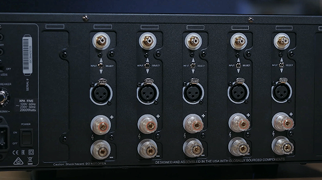
1.) Connect speakers to the binding posts.
2.) Connect one source first (TV via HDMI ARC, or a computer via USB-C).
3.) Power on, select input, set volume low, then creep it up.
4.) Add your other sources after you know the basics are working.
If you’re adding a subwoofer, connect it next, then set bass management once everything is playing.
Three Easy First-System Setups
1) TV-first stereo (most common now)
If your TV is the center of the room, start here. HDMI ARC sends two-channel PCM audio from the TV to the TA2+ using one HDMI cable. It’s the cleanest way to make TV sound like actual speakers, not a compromise.
2) Desk or laptop-first stereo
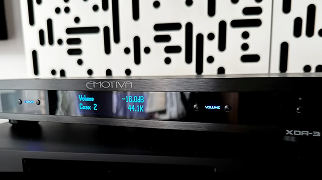
If your computer is your main source, USB-C DAC input is the “no fuss” move. One cable, no dongles, and you’re using the TA2+’s internal digital conversion rather than a noisy headphone jack.
3) Vinyl-first stereo
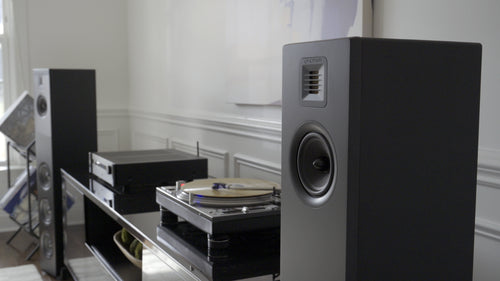
TA2+ includes a built-in MM/MC phono preamp, so you can connect a turntable without buying an extra phono box on day one. Even better, analog sources stay in the analog domain through the preamp stage, which is the whole point of vinyl for a lot of listeners.
Balanced XLR, What It Means for a First Build
Balanced XLR can sound like “advanced audio talk,” but the benefit is simple: it helps keep things quiet and stable, especially with longer cable runs.
TA2+ includes balanced XLR analog inputs, balanced XLR preamp outputs, and a balanced XLR subwoofer output. If your sub has to live across the room, this can be a real quality-of-life upgrade. It’s also part of what lets TA2+ grow with you later if you add an external power amp.
Why Amplifier Design Still Matters (Even with All the Features)
Features are great, but the core job is still the same: deliver clean, controlled power.
The TA2+ uses a traditional Class A/B amplifier with a toroidal linear power supply, and it’s rated at 135 watts RMS per channel into 8 ohms and 250 watts RMS per channel into 4 ohms.
In normal human terms, this is what you feel:
• When the chorus hits and you turn it up, the sound gets bigger, not sharper.
• Bass feels controlled, not bloated.
• Dense mixes stay separated instead of turning into mush.
Subwoofer Integration That Actually Sounds Better (Not Just Louder)
Adding a sub should make your system feel fuller and more grounded. Too often, it just makes it louder. The difference is usually bass management, and TA2+ includes real analog bass management with adjustable high-pass and low-pass filters (40 Hz to 200 Hz).
A simple starting point for most first builds:
• If you have bookshelf speakers, start around 80–100 Hz.
• If you have larger towers, start around 60–80 Hz.
Then fine-tune by ear, you’re listening for tighter bass and cleaner mids, not “more bass.”
Built to Grow With You
A good integrated amplifier should simplify your system today without limiting it tomorrow. The BasX TA2+ includes both RCA and balanced XLR preamp outputs, so it can act as a standalone preamp later if you decide to add an external amplifier. That matters because this hobby tends to evolve, even when you swear it won’t.
What to Read Next
If you’re building your first stereo system, these guides pair perfectly with the TA2+ video:
• How to Read Audio Specs (Without Getting Overwhelmed)
• Headroom 101: Pairing Speakers and Amps the Easy Way
• 5 Common Home Audio Mistakes (and How to Fix Them)
Final Thoughts
A modern stereo integrated amplifier should make your system feel cohesive. It should handle TV, music, and vinyl without turning your rack into a puzzle. It should stay composed when you turn it up, and it should leave room for the system to grow.
The new-generation BasX TA2+ is built around a simple promise: one hub, real hi-fi, no fuss, with the kind of connectivity you actually use and the kind of amplifier design that holds up long-term.
If you want help thinking through whether it connects to everything you own, contact us. You’ll get real guidance from the people behind the gear.
Share Post
Shop the Post

Related Articles

Emotiva LX Guide, Part 3: Speaker Setup, HDMI, Inputs, an...

Emotiva LX Guide, Part 2: Network Setup, Firmware Updates...

Emotiva LX Guide, Part 1: Meet the LX Series

Behind the Build: Nostala LB12 Vintage Loudspeakers
