


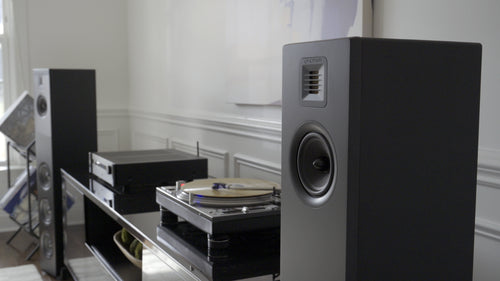
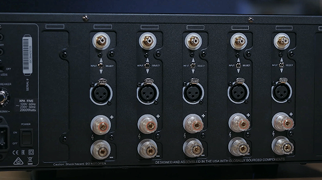
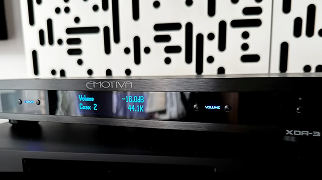

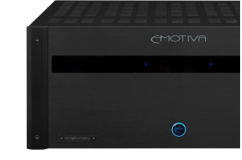
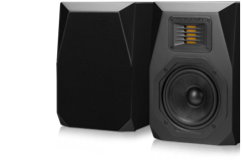
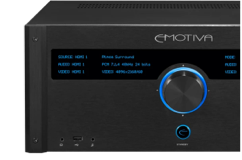
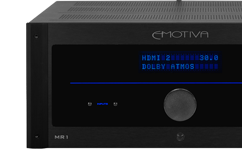
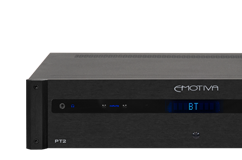


Clean power, real-world matches, and zero guesswork for Emotiva’s Airmotiv X Loudspeakers + BasX/XPA Amplifiers.
If you’ve ever wondered why your system seems to fall flat, the secret is headroom, and a sensible match between your speakers and amplifier. This guide keeps it practical, using Emotiva’s current lineup: Airmotiv X loudspeakers plus BasX and XPA power amplifiers.

What “headroom” really means
Headroom is the extra clean power your amp keeps in reserve for sudden loud moments above your usual volume. Those bursts, drum hits, orchestral swells, action scenes, should pass without clipping (the harsh distortion that happens when an amp runs out of steam).
Quick rule: aim for an amplifier with about 1.5–2X your speaker’s recommended continuous power.
Red flags you’re out of headroom: it gets louder but harsher, bass “flattens” on big hits, or the sound feels strained.

Stereo (Hi-Fi) vs. Home Theater, What Changes?
Same core rules, different priorities.
What stays the same
• Headroom matters more than raw specs on paper.
• Use an amplifier that’s comfortable with 4-ohm speakers.
• Bigger rooms/longer seats → more power and/or higher-sensitivity speakers.
What’s different
Goal:
• Stereo: imaging, nuance, and dynamics from the left/right pair.
• Home Theater: clear dialogue from the center channel, wide dynamics, and smooth pans across L/C/R + surrounds/heights.
Power strategy:
Stereo: Give the left/right the best amp you can.
Our Picks:
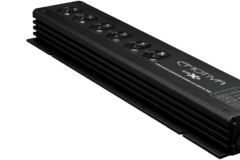
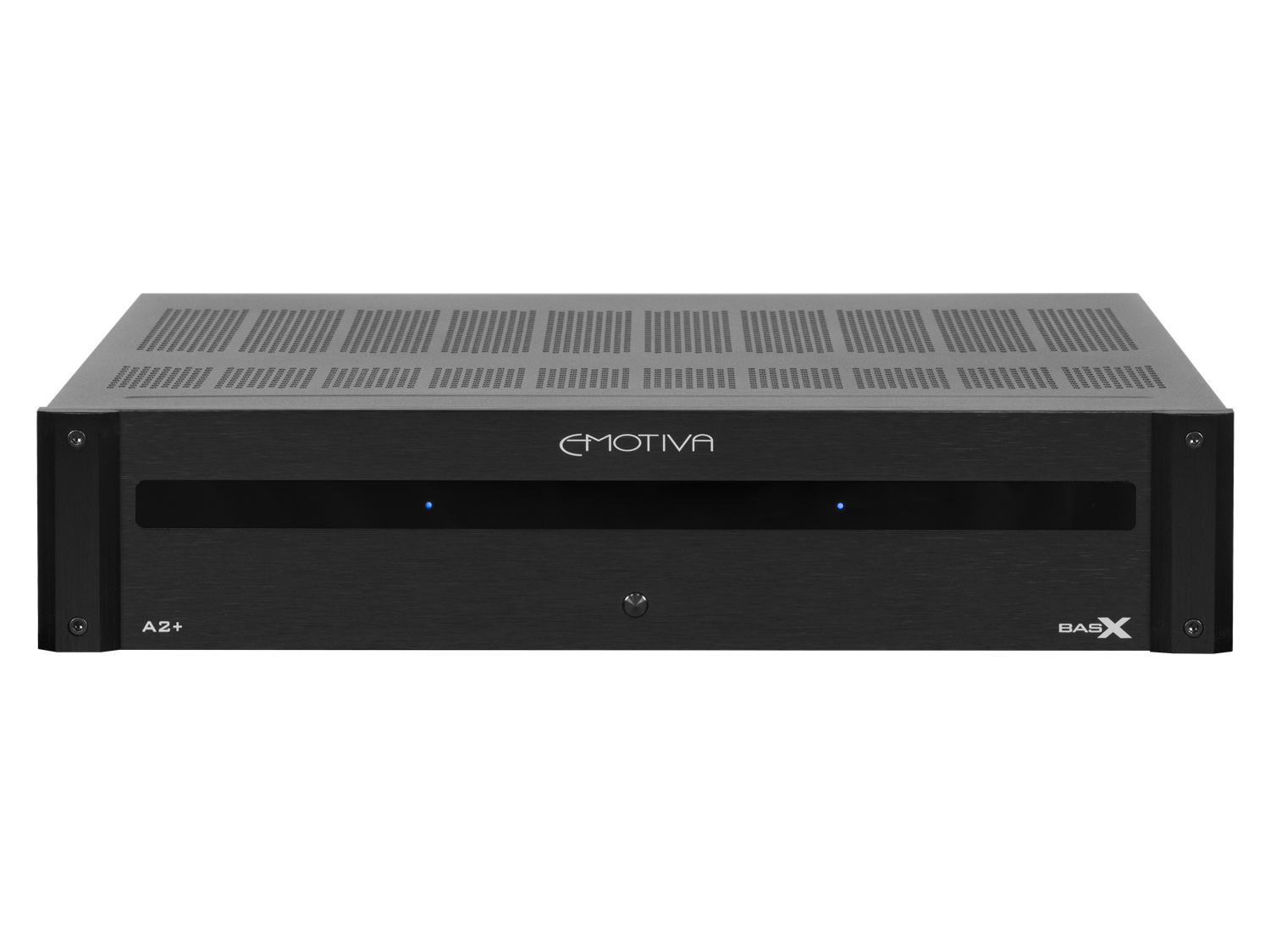
• BasX A2+ Stereo Power Amplifier
• XPA-2 Gen3 Two-Channel Power Amplifier
• XPA-DR2 Differential Reference Two-Channel Power Amplifier
Home Theater: Treat the center like a front-row seat.
• Use BasX A3+ Three-Channel Power Amplifier or an XPA multi-channel amp to keep L/C/R consistent.
Surrounds/heights need clean power but usually less than the front stage.
Our picks:
• BasX A4 Four-Channel Power Amplifier
• BasX A5 Five-Channel Power Amplifier
• BasX A7+ Seven-Channel Power Amplifier
Bass management:
Stereo: a subwoofer is optional, great for deeper, cleaner low end.
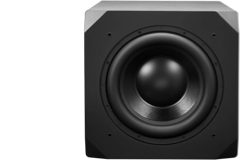
Our pick: Emotiva Airmotiv XS12e Subwoofer
Home Theater: a subwoofer is strongly recommended, start near an 80 Hz crossover so your mains and amp aren’t doing all the heavy lifting.

Emotiva Upgrade Path (Stereo to Full Surround)
• Step 1: Start with a killer 2.0 stereo system
Choose one speaker option, then pair it with a stereo amp:
Speakers: Emotiva Airmotiv XT1 Tower Loudspeakers or Emotiva Airmotiv XB2 Bookshelf Loudspeakers
Amplifier: BasX A2+ Stereo Power Amplifier
This is the “fall in love with your music again” foundation.
•Step 2: Add real low-end weight
Subwoofer: Airmotiv XS12e Subwoofer
This is where everything gets more physical, kick drums tighten up, bass lines stop hiding, movies start to rumble.
• Step 3: Move into 3.1 with a proper front stage
Add a center channel, and step up to three channels of power up front:
Center: Airmotiv XC1 Center or Airmotiv XC2 Center Channel Speaker
Amplifier upgrade for L/C/R: BasX A3+ Three-Channel Power Amplifier
Pro tip for clarity: At this point, the A3+ becomes your L/C/R amp, and the A2+ becomes “future expansion power” (surrounds later). That makes the upgrade feel like progress, not replacement.
• Step 4: Expand into surround, or surround plus height
Now you build out the room around you.
Surround/Height speakers: Emotiva Airmotiv XA2 Surround/Height Speaker Modules
Amplification options:
• BasX A4 Four-Channel Power Amplifier (great for surround + height expansion)
• BasX A5 Five-Channel Power Amplifier (clean single-amp solution for a 5-channel setup)
Easy way to picture it:
A3+ (L/C/R) + A4 (surrounds + heights) = a really flexible path into immersive setups.
• Step 5: When you want true reference-level headroom
Upgrade amplification to Emotiva XPA Modular Amplifiers when you’re chasing effortless dynamics, more control at higher volume, or you’ve moved into a bigger room.
This is the step where the system stops feeling like it’s “trying” and starts feeling like it’s cruising.

The four specs that actually matter
1) Power (watts), for effortless peaks
More clean power lets the amplifier cruise instead of strain.
2) Sensitivity (dB), how loud a little power sounds
Higher sensitivity speakers get more dynamic with the same watts, it’s a handy comparison tool.
3) Impedance (ohms), your amp’s “weight class”
Lower impedance (often 4ohms) asks the amp for more current. Pick a 4-ohm-stable amplifier (all Emotiva amps are) and you’re set.
4) Room size & distance, physics matters
Bigger rooms and longer seating distances eat headroom. If you sit 10–15 feet away or love blockbuster levels, step up the amplifier tier and/or the speaker size/sensitivity.
For the curious: Sensitivity often appears as 2.83V/1m. That’s 1 watt into 8 ohms but 2 watts into 4 ohms. Use it for apples-to-apples comparisons, not strict rules.

Amplifier and Speaker Pairings
Small rooms / desktops / nearfield music
Speakers:
• Airmotiv XB1 Bookshelf Loudspeaker
• Airmotiv XB2 Bookshelf Loudspeaker
Amp:
• BasX A2+ Stereo Power Amplifier
• Add the Airmotiv XS12e Subwoofer if you want true full-range feel.
Medium living rooms (music + movies)
Speakers:
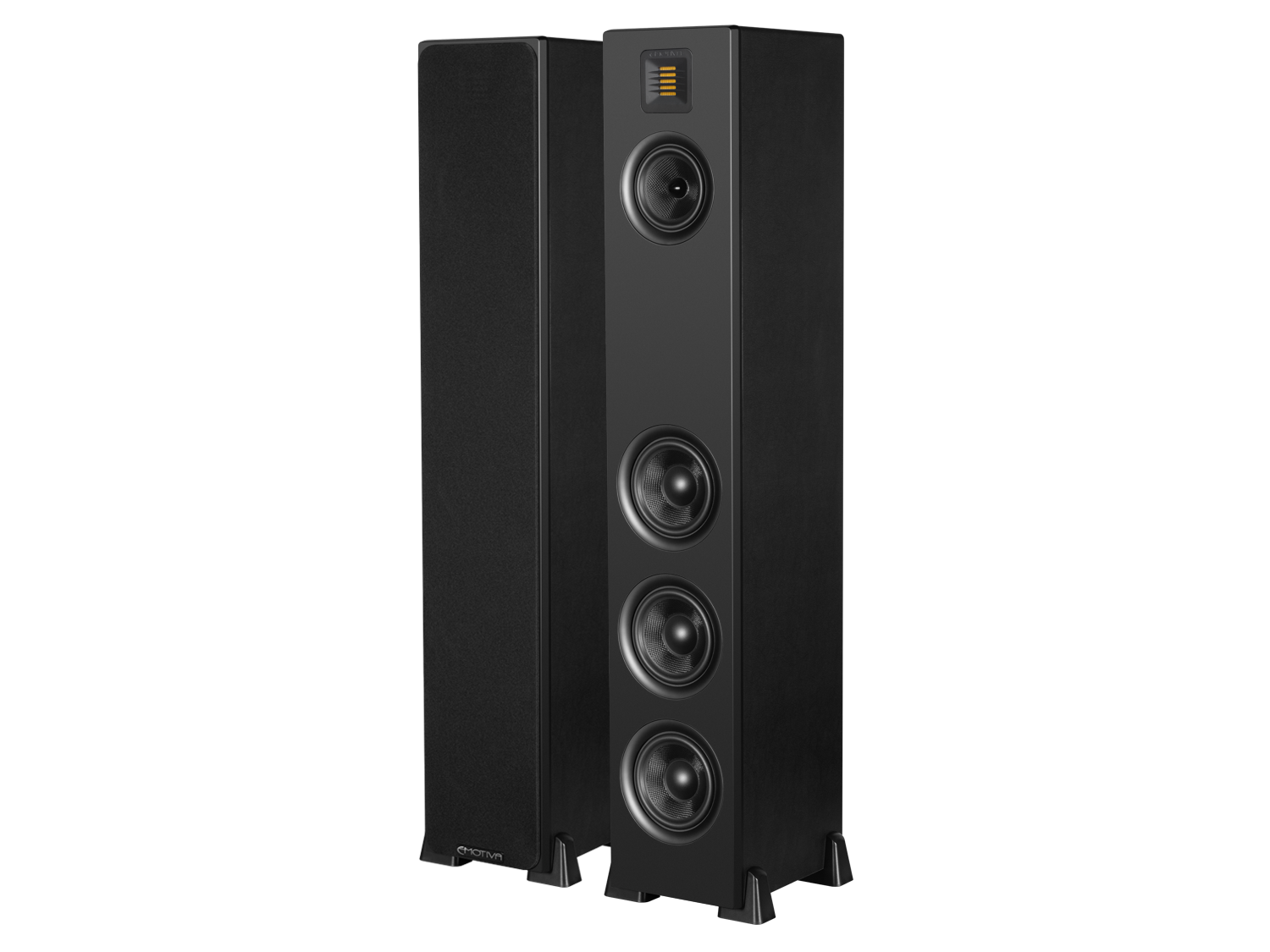
• Airmotiv XT1 Tower Loudspeaker
• Airmotiv XB2 Bookshelf Loudspeaker
• Airmotiv XS12E subwoofer
Stereo amp:
• BasX A2+ Stereo Power Amplifier
• Step up to the XPA-2 Gen3 Two-Channel Power Amplifier for bigger dynamics
Theater L/C/R:
• BasX A3+ Three-Channel Power Amplifier
or
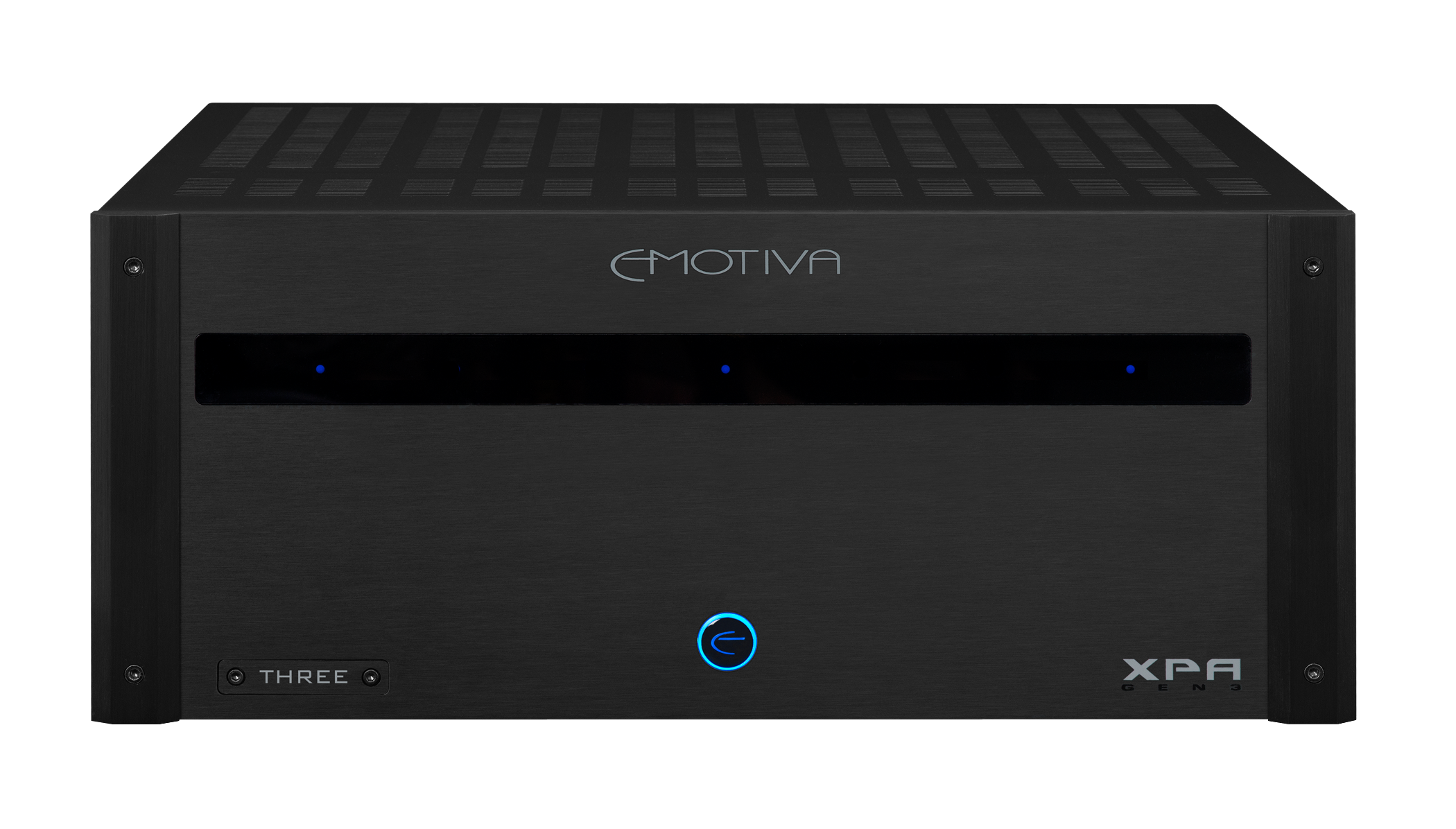
• XPA-3 Gen3 Three-Channel Power Amplifier
• Airmotiv XC1 Center Channel Loudspeaker
or
• Airmotiv XC2 Center Channel Loudspeaker
Large rooms / enthusiast listening
Speakers:
•Airmotiv XT2 Tower Loudspeaker
•Airmotiv XT3 Tower Loudspeaker
•Airmotiv XC2 Center Channel Loudspeaker
Stereo amp:
• XPA-2 Gen3 Two-Channel Power Amplifier for authoritative grip
• XPA-DR2 Differential Reference Two-Channel Power Amplifier for “effortless” headroom
Theater power:
• XPA-5 Gen3 Five-Channel Power Amplifier
• XPA-7 Gen3 Seven-Channel Power Amplifier for bed channels
• XPA-11 Gen3 Eleven-Channel Power Amplifier for a full 7.1.4 setup
Surrounds & heights (immersive)
Speakers: Emotiva Airmotiv XA2 Surround/Height Speaker
Amplification:
• BasX A4 Four-Channel Power Amplifier
• BasX A5 Five-Channel Power Amplifier
• BasX A7+ Seven-Channel Power Amplifier (or spare channels on an Emotiva XPA amplifier)

What not to do
- Don’t run loads your amp isn’t rated for. If your speakers are 4ohms nominal, use a 4ohm-stable amplifier.
- Don’t clip the amplifier. If turning up makes things harsh or flat, you’re out of headroom, back off or step up power.
- Don’t expect tiny speakers to fill a giant room. Add a subwoofer or move to tower loudspeakers.
Quick FAQ
• Is a 300 W/ch amp “overkill” for a speaker that recommends 60 W+?
No. Used sensibly, that extra power is headroom, which helps avoid distortion on peaks. The Emotiva XPA-2 Gen3 Two-Channel Power Amplifier driving the Emotiva Airmotiv XT1 Tower Loudspeaker is a great example. Think horsepower on a car as a real-world example.
• Do I need balanced (XLR) inputs?
Not mandatory, but useful for long runs and noise rejection.
• Pick speakers or amp first?
Start with the speakers you love and that fit your room,then size the amplifier to your distance and loudness goals. If you’re torn, go one amplifier tier up for stress-free headroom.
Jargon Guide
• Decibels (dB): loudness unit. Roughly, +3 dB ≈ 2× the power.
• Sensitivity: how loud a speaker gets from a little power; higher number = easier to drive.
• Impedance (ohms): how tough a speaker is to drive; 4Ω needs more current than 8Ω.
• 4ohm-stable amplifier: designed to safely drive tougher loads (the Emotiva BasX and Emotiva XPA amplifiers are).
• 2.83V/1m: lab reference for sensitivity; useful for apples-to-apples comparisons.
The bottom line
Skip the hype. Pick speakers you love, then give them an amplifier with clean power and a bit of headroom. Size it to your room, avoid clipping, and enjoy that “whoa, I didn’t know my system could do that” grin, every time you press play.
Share Post
Shop the Post
BasX A2+ Stereo Amplifier
$799.00
XPA-3 Gen3 | 3 Channel Amplifier
$1,749.00
Related Articles

Behind the Build: Nostala LB12 Vintage Loudspeakers

Behind the Build: DR Design Series Streamer, DAC, Preampl...

Keith's Corner: What exactly is streaming?

One Hub, Real Hi-Fi, No Fuss | NEW Emotiva BasX TA2+ Inte...
